


 Top writing services
Throughout my years in academia, spanning from the rigorous demands of high school through the challenges of advanced tertiary education, the significance of refining one's skills in expository essay writing has become glaringly evident to me. This clarity emerged mainly when I navigated the nuanced world of book reports, where one's ability to present and critically analyze a text objectively becomes paramount.
With the reservoir of knowledge I've garnered over the years and a deep-rooted passion for sharing this knowledge, I have embarked on a mission: to curate and present a comprehensive guide. This guide is envisioned as an essential tool for aspiring writers and students alike. It aims to provide them with a foundation and a roadmap as they navigate the captivating world of expository essay writing, especially regarding book reports.
Delving into Expository Essay Writing
Understanding Its Core
Expository essay writing is a systematic approach to delving deep into a topic, unraveling its intricacies, and effectively presenting the findings to an audience. Stripped of personal biases or opinions, this book report form stands firmly on pillars of facts, logical reasoning, and tangible evidence.
What distinguishes expository writing from other forms is its unwavering commitment to objectivity. Instead of being swayed by personal biases, emotions, or opinions, this writing style is anchored in a foundation prioritizing absolute neutrality. The strength and credibility of expository essays come from their reliance on undeniable facts, rigorous logical reasoning, and tangible evidence that can be scrutinized and verified. This form of writing is akin to building a solid structure; every claim or statement acts as a brick, and its validity is the cement that holds the entire edifice together.
Relation to Book Reports
In book reports, the role of expository essay writing takes on a distinctive character. Instead of merely summarizing the narrative or content, the writer delves into a deeper, analytical interpretation of the material. This demands a faithful representation of the book's content and an acute discernment of its underlying themes and messages.
Throughout this process, the writer must tread a fine line, ensuring their analysis is anchored in objectivity, free from personal biases. Yet, simultaneously, they must provide insights that resonate, shedding light on aspects of the book that might not be immediately apparent to every reader. It's a dance of staying loyal to the author's intentions while unveiling layers of depth and significance.
What Exactly is a Book Report?
More than just providing a concise overview, a book report is a refined derivative of expository writing. In this realm, the writer isn't merely recounting the tale but is tasked with plunging into the depths of the book's content. They are charged with dissecting its intricate architecture, identifying the scaffolding of its structure, and spotlighting its central themes and messages. Essentially, it's about uncovering the book's heartbeat, transcending the surface narrative, and presenting its soul and substance to the audience.
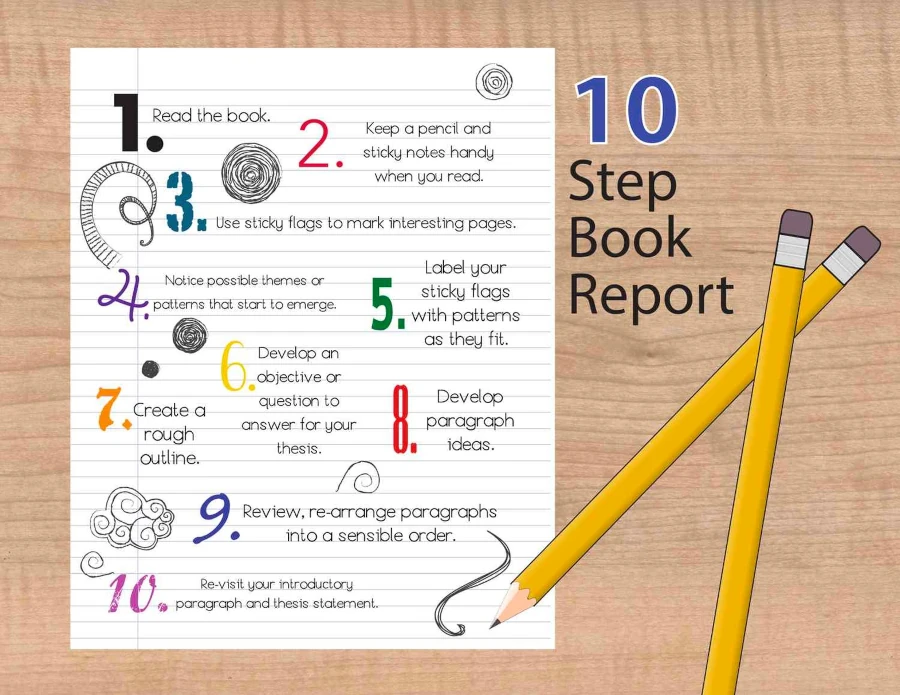
From Whom and When Does This Task Emerge?
The challenge of creating a book report is one that students from various academic levels face. From the vibrant hallways of middle schools to the intense environment of colleges, crafting a college book report or even its high school counterpart is an integral component of the academic curriculum.
Embarking on the Journey of Creating a Stellar Book Report
Laying the Structural Foundation
The skeleton or the structure of a book report can be envisioned as:
- Introduction: Setting the stage with a crisp overview of the book.
- Body: Diving into the depth with an analysis that touches upon the layout of a book report, explores character arcs, navigates through the plot, and illuminates the overarching themes.
- Conclusion: Bringing the discussion to a harmonious close, summarizing the analytical journey.
Navigating Through Guidelines: The Checklist
- Determining Length: One of the first checkpoints is deciphering “How long is a book report?” A college assignment might demand more depth than its high school equivalent.
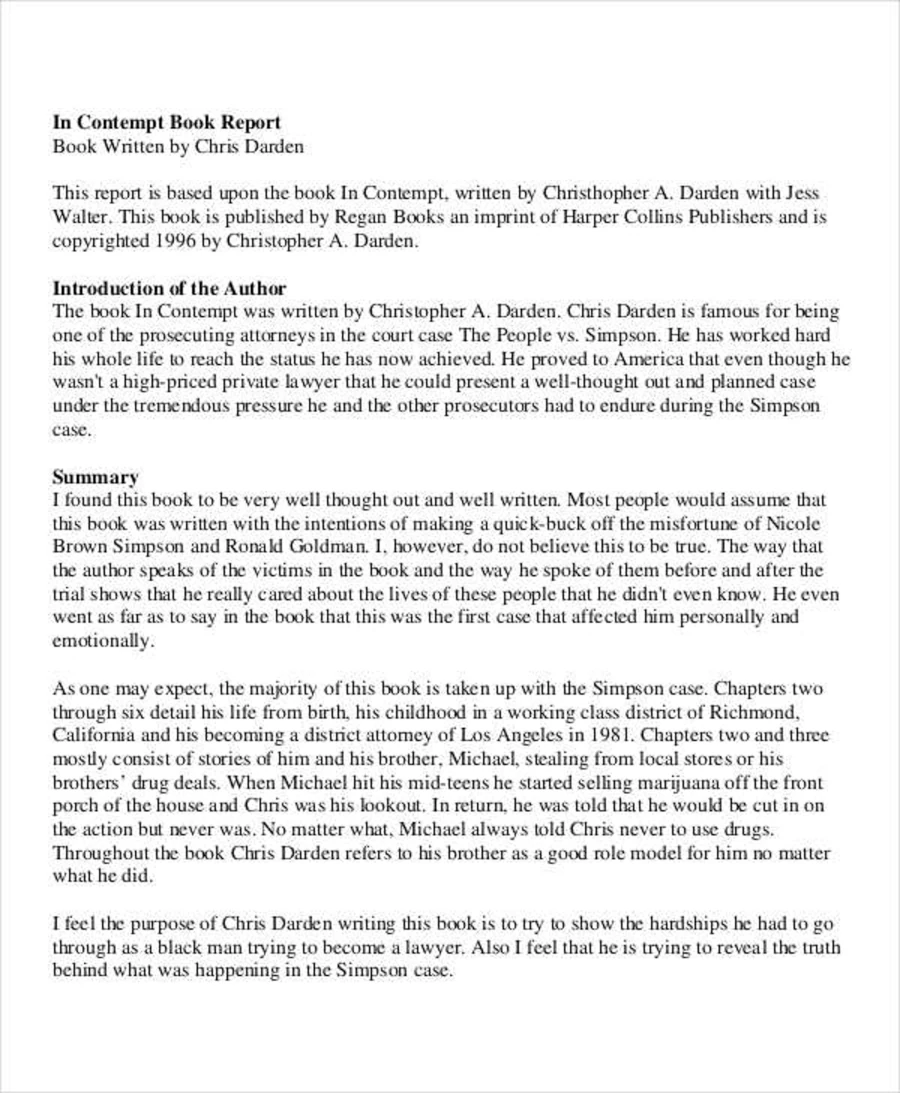
- Deciphering Format: Clarifying the book report essay format is crucial. It usually encapsulates the book's title, its creator, details of publication, and other pivotal information.
- Employing Templates: Leveraging tools, like the college book report template, can streamline the crafting process, offering a clear roadmap to follow.
Dissecting the Book Report: A Deep Dive
1. Setting the Tone: Crafting a Riveting Introduction
How to do a book report college level? The task begins by offering more than a mere synopsis. Your introduction serves as your reader's initial engagement, setting the stage for a comprehensive analysis. Begin by:
Contextualizing the Book: Introduce the author, publication year, and any noteworthy context about the book's emergence or its relevance in literature.
Thesis Statement: Clearly articulate what you aim to present about the book. Are you offering a critique, a deep analysis, or highlighting its themes? Pinpoint your focus.
Engage the Reader: Use a captivating quote from the book or a probing question that embodies its essence to draw your reader in.
2. The Heartbeat: Delving into the Book Report Essay's Substance
In this segment, it's paramount to guide your reader through an enlightening journey:
Exploring Themes: Delve into the book's primary and secondary themes. How do they echo with societal concerns or individual experiences? Can they be juxtaposed with today's world or other notable works?
Character Analysis: Dive into the core of the main characters. Elucidate their progression, driving forces, and their role in the overarching narrative.
Major Plot Twists and Turns: Rather than merely recounting the story, emphasize major events that altered the narrative's trajectory. What's their importance? How did they shape the characters and the book's central message?
Style and Literary Devices: Delve into the author's writing style. Are there recurring motifs, symbols, or distinct linguistic patterns? How do they bolster or detract from the narrative?
3. Sealing the Deal: Crafting an Enlightening Conclusion>
Final thoughts are pivotal. In your conclusion:
Reiterate the Thesis: Without being repetitive, remind the reader of the pivotal points you've dissected in relation to your opening thesis.
Synthesize Your Findings: Merge the crucial points from your body sections into a unified comprehension of the book's overarching message.
Leave a Lasting Impression: Perhaps propose another inquiry for extended reflection or associate the book with a broader theme in literature or societal issues. Your ambition is to ensure your reader continues to reflect long after concluding your book report essay.
The Power of Examples in Crafting an Astute Book Report
The Need for Illuminating Examples
Wading through a book report example or even college book report examples can shed light on structure and presentation, serving as invaluable touchstones for those on the journey.
Acting as templates or benchmarks, they serve as invaluable references, guiding novices and seasoned writers alike, ensuring their work resonates with depth, coherence, and precision. For many, these examples are the compasses that chart a clear path through the complex landscape of literary analysis.
Elevating Your Book Report: Standing Out in a Sea of Words
Understanding the Variance in Form
Whether you're working on a book report paper or crafting a digital submission, aligning with institutional protocols is critical.
Personalizing Your Exploration
While adhering to an objective tone, infusing the report with personal reflections about the book's impact can elevate its quality, offering a unique blend of analysis and reflection.
Seeking External Expertise: When and How?
When to Look Outside?
Amidst the mounting demands of academia, where time is often at a premium and deadlines loom large, seeking external assistance to write a book report can become more than just a convenience—it may evolve into an essential step. Balancing multiple commitments and ensuring quality in every task can be challenging, making it prudent and sometimes crucial to enlist specialized help for such assignments.
Wrapping Up: The Road to Mastery in Book Reporting
The art and science of book reporting transcend mere summaries. It's a dance of analysis, comprehension, and eloquent presentation. With the correct book report guidelines, an understanding of book report essay nuances, and the proper assistance when needed, mastering this academic task is well within reach.
Conclusion
With this comprehensive guide, my hope is to illuminate the path for those venturing into the realm of book reports. As every book unfurls a unique tale, crafting an insightful report bridges readers to that narrative. Embrace the journey, and let every report be a testament to your analytical prowess and storytelling acumen.
FAQ
What's the goal of expository essay writing in book reports?
It aims to objectively analyze a text using facts, logical reasoning, and evidence, diving deeper than a mere summary.
How is a book report different from a summary?
A book report provides a detailed analysis of the book's themes and messages, whereas a summary simply recounts the story.
Who typically gets assigned book reports?
Students from middle schools to colleges frequently encounter book report assignments.
Why are examples vital in book report writing?
They guide writers on structure and presentation, acting as benchmarks for depth and coherence.

