


 Top writing services
When I first embarked on my academic journey, the myriad research methodology types and styles of research often overwhelmed me. The questions constantly occupying my thoughts included, "What type of research should I use?" How should I structure my paper and what type of research would best support my topic? Navigating the types of academic research can indeed be daunting. I'm here to guide you if you've been battling similar questions.
What is Expository Essay Writing?
Before diving into research paper types, it's essential to understand the concept of an expository essay. Simply put, an expository essay explains a particular topic clearly and straightforwardly. It does not include the writer's personal opinions but relies heavily on facts, statistics, and examples. Such essays are often written by students, researchers, and professionals who aim to inform, explain, clarify, or define a topic to their readers.
These essays serve as foundational blocks in the academic world, ensuring that the reader understands the subject comprehensively without the influence of biases or personal views. Whether it's a detailed process, a historical event, or a scientific phenomenon, expository essays break down complex topics into digestible information, making it accessible and engaging for all readers. As we explore different methods in research and types of research paper, remember that the precision and clarity championed by expository essays set the tone for high-quality academic writing.
Who Writes it and When?
Typically, students across various educational levels - from middle school to college- write expository essays. They are also prevalent in the professional world, where evident, concise communication of factual information is paramount. You might be asked to write one as an assignment, for a research project, during exams, or as part of a professional report.
In addition to their widespread use in academic settings, expository essays are pivotal in corporate communications, technical manuals, and informative publications. The primary objective of these essays is to inform and enlighten the audience without the infusion of personal bias or opinion. Given their factual nature, it's imperative to base expository writings on credible sources and thorough research.
Different Research Methodology Types
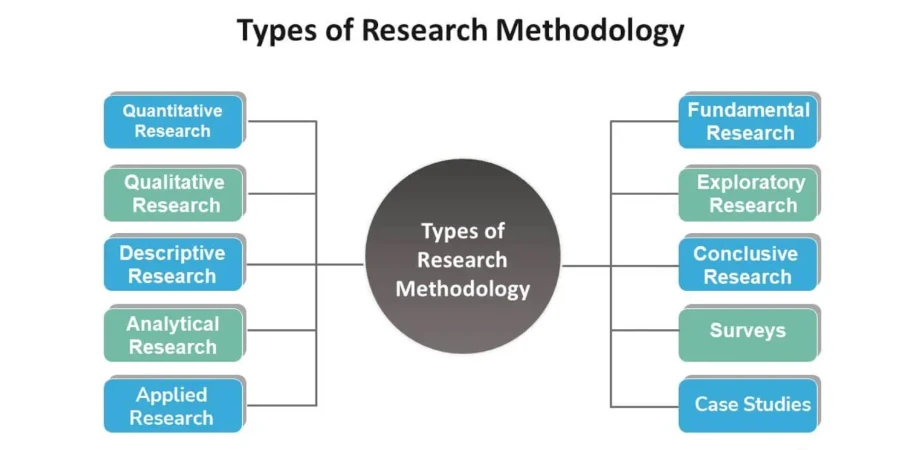
For a fruitful research endeavor, choosing the right methodology is vital. Here's a breakdown of the leading research methodology types I've encountered in my journey:
- Qualitative Research:This type of research methodology focuses on understanding human behavior and the reasons behind such behaviors. It relies on unstructured or semi-structured techniques such as interviews, observations, and personal accounts.
- Quantitative Research: Emphasizing objective measurements and statistical analysis, this type of research deals with data that can be measured. Surveys, structured interviews, and experiments are some standard methods here.
- Descriptive Research: As the name suggests, this research aims to describe the characteristics of the object or phenomenon under study. It could use both qualitative and quantitative methods.
- Analytical Research: Diving deeper than descriptive research, this type describes and analyzes the topic to understand the underlying mechanisms or reasons.
- Applied Research: This methodology addresses a specific concern or solves a particular problem. It is more practical in its approach.
- Fundamental or Basic Research: Contrary to applied research, basic research aims at generating knowledge for the sake of knowledge, often without immediate practical applications.
- Experimental Research: This type relies on controlled experiments to understand the relationship between variables.
Factors to Consider When Choosing a Research Methodology
The selection of a research methodology isn't arbitrary; it's a deliberate choice influenced by several factors:
- Nature of the Topic:If your research is about people's feelings or understanding, qualitative might be best. But quantitative will be more suitable if it's about numbers and statistics.
- Research Objective:Do you wish to describe, understand, explain, or predict?
- Availability of Data:Some data is more suited for quantitative analysis, while others for qualitative.
- Time and Budget:Some methods, like experiments, may require more resources.
- Expertise:Familiarity with certain methodologies or tools can influence choice.
How to Write Research Methodology?
Whenever I decide to begin a research project, the question of how to write research methodology can be quite daunting. Here's an essential guide that I usually follow:
Define the Research Problem:
The foundation of any research endeavor is a well-defined problem statement. It isn't just about stating a general topic or area of interest but instead precisely identifying what you aim to solve, discover, or understand. It serves as a guide, ensuring your research remains focused and relevant. What is types of research of your topic—why is it essential, what precisely do you hope to determine, and how does it fit into the broader context or field of study?
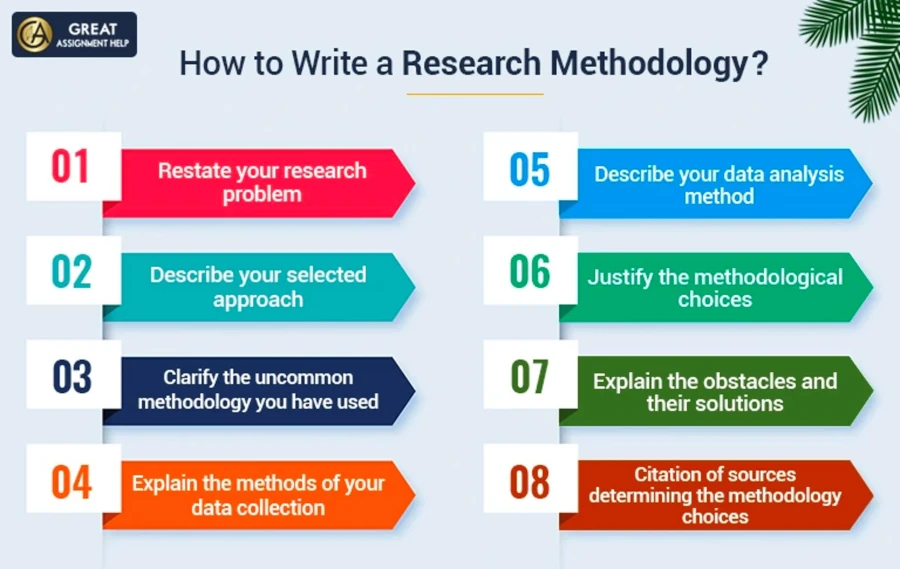
Choose Your Research Type:
Your research's topic and objective will guide the type of research you undertake:
- Qualitative: Focuses on understanding the depth and complexity of human behavior, feelings, and interpretations.
- Quantitative: Centers on numerical data, measurable variables, and statistical analysis.
- Descriptive: Seeks to depict and describe a phenomenon, event, or population in detail.
- Analytical: Goes beyond description, aiming to understand the underlying reasons, causes, or relationships among variables.
- Applied: Targets specific, real-world problems, seeking practical solutions or applications.
- Basic: Also known as fundamental or pure research, it aims to expand knowledge and understanding without immediate practical applications in mind.
- Experimental: Involves manipulating one or more variables to observe their effect on another variable, often under controlled conditions.
Select Methods:
Once you've settled on your research type, you need to decide on the methods you'll use to gather data:
- Interviews:Engage directly with participants to gather detailed, qualitative insights.
- Surveys:Use structured questionnaires to gather specific data from a large group.
- Experiments:Set up controlled conditions to observe the effect of manipulated variables.
- Observations:Record and analyze behaviors, events, or conditions as they naturally occur.
Among others, the choice of method often depends on the nature of the research problem and the kind of data required.
Explain Data Collection:
Data collection isn't just about gathering information—it's crucial to detail how you plan to do it:
- Source:Define where your data will come from. Will it be primary data (collected firsthand) or secondary data (sourced from existing resources)?
- Participants:Describe the population you're studying. Who are they? How were they chosen? This might involve defining criteria for inclusion or exclusion.
- Tools and Instruments:Detail any tools, questionnaires, devices, or software you'll employ in your data collection. Ensure they are reliable and validated for your context.
Data Analysis:
After data collection, the next step is processing and interpreting what you've gathered:
- Techniques:Outline the techniques or statistical methods you'll use to analyze the data. It could range from thematic analysis in qualitative research to regression analysis in quantitative research.
- Tools:Mention any software or tools you'll utilize, like SPSS, R, or NVivo, to assist in your data analysis.
- Interpretation:Discuss how you'll conclude your data. It involves connecting the dots, understanding patterns, and relating findings to your original research problem.
A handy methods research paper example could be looking into consumer behavior. Suppose I were to understand why consumers prefer online shopping. In that case, I might choose a qualitative approach, conduct interviews, and then analyze the data using thematic analysis.
Conclusion: Charting Your Research Path
Grasping the diverse academic research methodologies and their appropriate application can elevate your research undertakings. Remember, every research query and topic might demand a distinctive methodology. Should you seek external help, rest assured that reputable platforms are available. With this newfound knowledge, plunge into your research endeavors. Best of luck in your scholarly journey!
FAQ
What are the main research methodology types?
Types include Qualitative, Quantitative, Descriptive, Analytical, Applied, Fundamental, and Experimental Research.
How is a research methodology chosen?
The choice is based on the topic's nature, research objective, data availability, time, budget, and researcher's expertise.

